
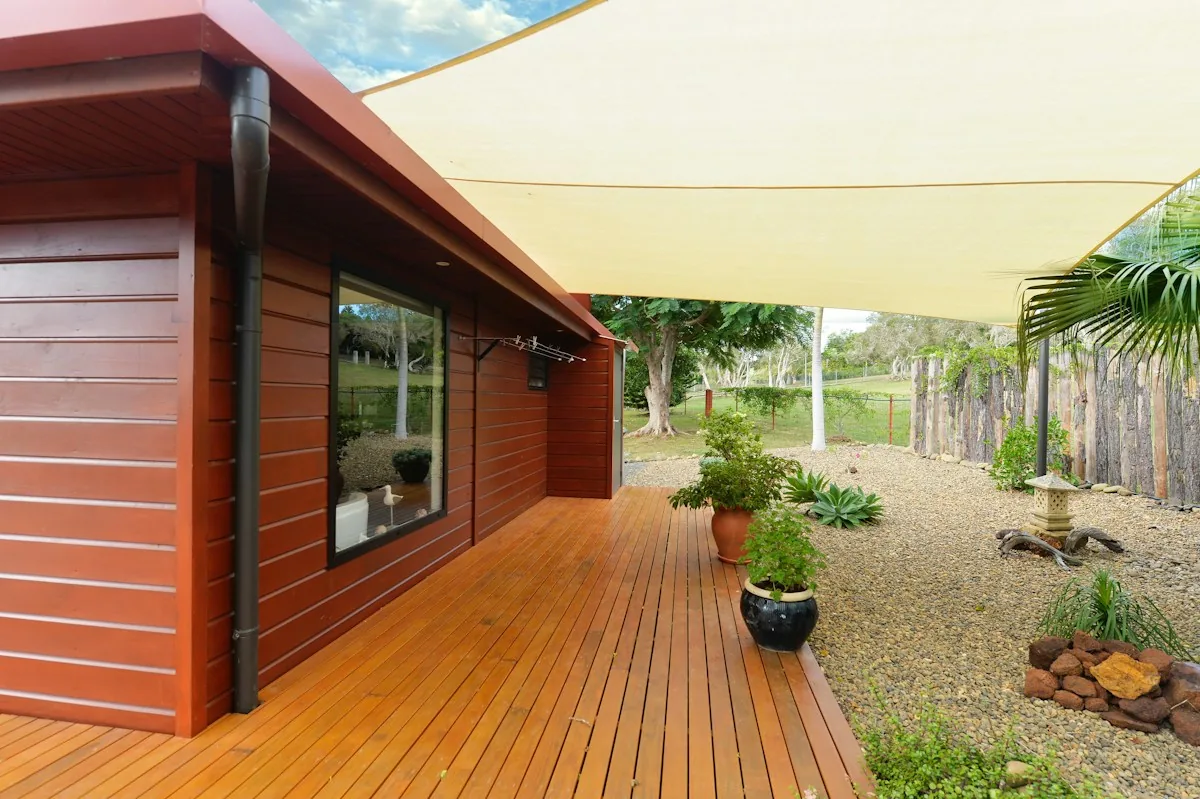
Make room for a better yard.
A landscape has to do more than look good on the day it is installed. It needs to fit the people using it, the space available and the attention it will receive afterward. Colorado Property Care offers landscaping, lawn maintenance and arborist services for residential and commercial properties. A new planting area and an established lawn may need very different conversations.
Start with a walk around the property. Notice where people actually go, which areas stay unused and what keeps returning to your maintenance list. A muddy route to the gate, a tree crowding a building or turf that struggles in the same spot each year gives you a more useful starting point than a picture alone.
Landscaping that fits the site.
Before selecting plants, describe how you want to use the yard. You might need open space for play, a quieter place to sit, a clearer entrance or planting beds that ask less of your weekends. For a commercial property, visibility at entrances and the routes people use deserve equal attention.
Keep the things you value on the plan. An established tree, a useful patch of lawn or a comfortable shaded corner can become a starting point rather than something to remove. Mark the location of doors, walks, existing irrigation and areas where water collects. When the project includes a new patio or deck, consider the landscape and the hard surfaces together.
Make three short lists: what to keep, what to change and what needs a closer look. This separates design preferences from existing problems before either gets lost in a conversation about materials.
Plant choices also need to suit the actual growing conditions. Sun exposure, available water and soil conditions matter more than a plant's appearance in a nursery. Colorado State University Extension's water-wise design guidance supports matching a landscape to how the site is used. A water-conscious plan can still include lawn where lawn has a clear purpose.
Lawn maintenance with a clear scope.
Recurring lawn care works best when everyone agrees on the area being maintained and the work included. Identify the lawn boundaries, slopes, gates and any areas that need different treatment. If you are asking about ongoing maintenance, describe the current condition as well as the result you want.
A lawn with thin areas is not necessarily asking for the same response everywhere. Shade, foot traffic, irrigation coverage and soil conditions are useful details to record. Take note of patterns: whether the issue follows a walking route, appears near a tree or changes through the season. Those observations help frame a better discussion than simply asking for greener grass.
For a commercial site, include how the grounds are used during operating hours. Mention customer entrances, loading areas and places where equipment access would interfere with normal activity. Ask which tasks are included in a proposed maintenance scope, how additional work is handled and what the property owner remains responsible for. A written list helps keep recurring service expectations understandable.
Give established trees their own review.
A mature tree is part of the property's long-term layout. Before changing beds, building a deck or moving access routes around it, include the tree in the discussion. Describe the concern and its location: a branch near a roof, changing foliage, a crowded growing space or construction planned nearby.
Arborist work should begin with the actual tree and the reason for the inquiry. A photograph can help introduce the issue, but it does not replace a site-specific assessment. Avoid deciding that removal, pruning or a treatment is the answer before the tree has been evaluated. If you have past reports or records of work, keep them available.
Tree selection is a separate decision from tree care. Space at maturity and the location of buildings, walks and utilities should inform a new planting. CSU Extension's guide to trees and shrubs for xeric landscapes explains the importance of matching plants to Colorado conditions and available water. Use it as background for questions about your site, not as a substitute for assessing the site itself.
Separate a new project from recurring care.
Landscaping changes, routine lawn maintenance and tree concerns can overlap, but they are different scopes. A useful inquiry identifies the immediate need and the longer-term goal. If you want a new outdoor layout and maintenance afterward, say so. It gives the upkeep question a place in the initial plan.
| Your situation | A useful starting point |
|---|---|
| The layout no longer works | Describe the spaces you want to use, what should stay and the features you want to change. |
| The lawn needs ongoing attention | Identify the maintenance area, existing concerns, access and the tasks you want included. |
| A tree needs assessment | Explain the concern, where the tree stands and any planned work around it. |
Access can influence the order of outdoor work. A narrow gate, an established garden or a shared driveway may affect how materials reach the site. Note these constraints early. Where a project includes concrete, a deck or a pool, discuss the likely construction access before planning the final planting areas.
Bring a short set of priorities to the first conversation. Include your city or ZIP code, photographs you can share later, the part of the property involved and any timing limitations. Separate a seasonal preference from a fixed deadline. If another contractor is already working on the property, mention the activity and the area it affects.
Questions about grounds and tree care.
Can I include lawn maintenance in a landscaping inquiry?
Yes. Tell us about both the changes you are considering and the ongoing care you want afterward. Keep the two scopes distinct so you can discuss installation decisions and maintenance expectations clearly.
What should I share about an unhealthy-looking tree?
Describe the changes you have noticed, approximately when they began and where the tree stands. Mention nearby construction or other changes to the site. The appropriate response needs an assessment of the actual tree.
Can a landscape include both lawn and lower-water planting?
Yes, those uses can be part of the same design discussion. The amount and placement of each should reflect the activities you want the space to support and the conditions on the property.
Do commercial properties need different planning information?
Include the grounds boundaries, operating hours, access restrictions and the person who can approve work. Areas used by tenants, deliveries and customers should be identified before a maintenance or improvement scope is agreed.
What if I want a new patio as well as landscaping?
Include both in the inquiry. Their layout, access and construction sequence should be considered together. Read our outdoor living guide for more questions to bring to that conversation.